
Can Photography be Art?
- MF Imagery
- Dec 16, 2024
- 3 min read

ART: "Manifestation of human activity through which a personal emotional vision is expressed, interpreting the real or imagined with tangible, linguistic or auditory resources."
There are many occasions when I have seen the question of whether photography can be considered art being challenged. In fact, this debate has been present since the birth of photography. The foundation for this questioning often arises from a complaint: “Photography is simply the impression of reality through the use of technology.” I believe this is an easily refutable argument. It is true that for some, photography is just a path for self-expression, but that can be said just about anything. Photography is art; the camera is the photographer's tool, just as the brush is the painter’s tool or the chisel is the sculptor’s. Reality is never transcribed literally. The camera always has limitations, and it is controlled by the photographer, who selects a frame and exposure parameters or lack of.
In our modern age, we often hear that “everything is art.” ...this notion has become widespread, but it has also blurred the true meaning of art. Society seems to confuse Artistic Expression with self-expression. Everything is self-expression, but not everything is art. To be art, the work must serve a purpose - the audience does not determine this purpose; the creator does. As the renowned artist Pablo Picasso said, “Art is the lie that enables us to realize the truth.” Art is not just an expression of the self; it is a tool to convey deeper truths, emotions and stories.
Art must evoke feelings....it tells a story and it transcends mere visual pleasure. Art is more than just something pretty to look at - it is meant to stir the soul, provoke thought and ignite emotion. As Vincent van Gogh famously stated, "I dream my painting, and then I paint my dream." His work went beyond self-expression to convey the raw emotions that he himself felt, emotions that resonate with viewers across generations.
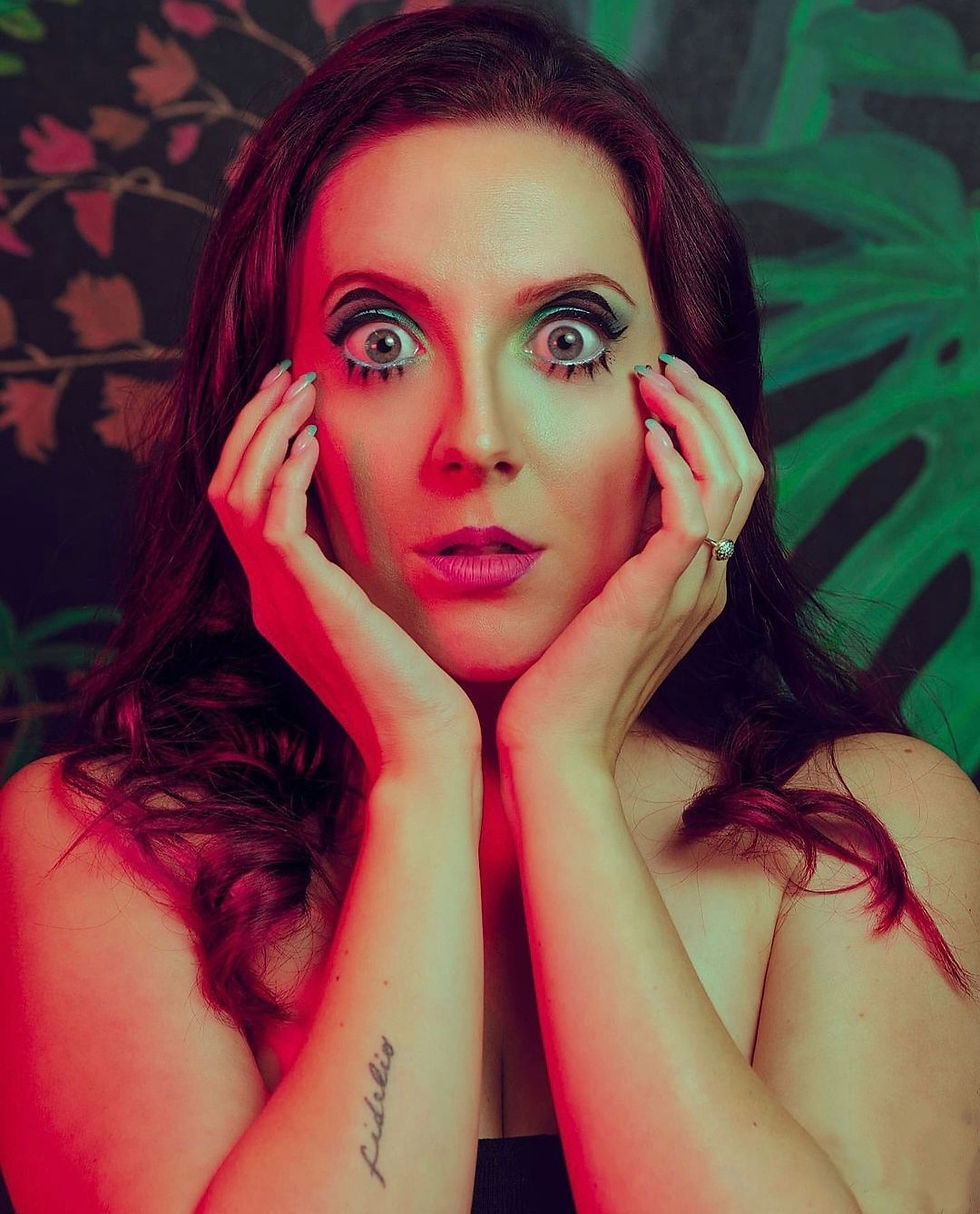
The more we allow the continuous use of the phrase "everything is art," the more we risk diminishing the essence of what art truly is. Art has the power to be sensual, rebellious, tastefully erotic, romantic, playful, sarcastic, painful, maddening, inspirational and more - but through it all, it holds emotion. Art is not merely about technique or aesthetics; it is about creating a space for the audience to feel something profound, to connect with a story, an idea or an emotion that goes beyond surface-level observation.
There is a question that every photographer, every artist, must ask themselves: What do you intend to convey? What do you seek with this photograph, this painting, this sculpture? - with self-expression, one can say many things, but it lacks the depth of art, which relates to the individual by connecting to the physical senses and reaching beyond to the cognitive or soul.
As Marcel Duchamp boldly stated, “I am interested in ideas, not in visual products.” It’s not just about what you see or experience in a visual sense - art is about what the artist intends to make you feel, and how that feeling lingers.
The modern world has led to many interpretations of whether all photographs, or works in general, can be considered art. But the true essence of art lies not in the mere act of creation, but in its capacity to make us feel - to make us think and perhaps, to change us in some way.
As a friend of simplicity, I’ll summarize: I only ask a photograph to make me feel. Art should always transcend the personal, the superficial, and connect with us on a deeper, more emotional level. And when it does, it will be truly art.


Comments