
Skin & Shadow: On the Moral Weight of the Nude
- MF Imagery
- Feb 25
- 5 min read

The human form has stood at the center of artistic inquiry for millennia - not as spectacle, but as philosophy made visible. From the sculptural canons of Polykleitos to the anatomical meditations of Leonardo da Vinci, the nude body has served as proportion, theology, psychology, and metaphysics. It has symbolized divinity and mortality, power and fragility, sovereignty and surrender. It has never merely been skin.
In a contemporary culture where digital tools are widely accessible, the title “nude photographer” has become easy to assume. Yet access to equipment is not initiation into discipline. A camera can be purchased in a day. The training of the eye - and the conscience - takes time.
To photograph the unclothed body is to photograph vulnerability itself, and vulnerability is never neutral. It carries psychological projection, archetype, memory. As articulated by masters of photography in relation to the nude - echoing Renaissance artists, philosophers and depth psychology - the human form awakens the anima, the shadow, desire, shame, the sovereign self, the wounded child. Without psychological awareness, a photographer may trigger basic instinct rather than guide the model to cultivate and deliver meaning.
This is why artistic nude photography is not simply a genre; it is a specialization within art.
It requires literacy in visual lineage, anatomy, aesthetic theory, consent law, and the subtle power dynamics between subject and image-maker. It demands that intent precede exposure. That composition be conscious. That light sculpt rather than consume. That stillness suggest interiority rather than submission.
The difference between artistic nude and eroticized display is not prudishness.It is conceptual architecture. Art situates the body within metaphor...it invites contemplation, and arousal of feelings and constructive sensations rather than consumption.
Where architecture is absent, instinct fills the void.

On Structure and Stewardship
The democratization of photography has opened extraordinary creative possibilities. Yet accessibility without discernment can blur necessary boundaries.
In some contemporary workshop environments, attendance requires little more than a registration fee and possession of a camera. While openness may appear inclusive, indiscriminate entry into spaces involving nudity and permanent visual record creates ambiguity of motive. Where vulnerability is explicit, intention must be visible.
When it comes to the nude, reputable artistic environments require portfolios demonstrating compositional literacy, proof of professional practice, references or mentorship lineage, agreement to codified standards of conduct. These are not barriers designed to exclude; they are thresholds designed to protect.
Anyone can hold a camera. Not everyone is prepared to hold vulnerability.
Similarly, the growing trend of open-call lingerie or nude events - where individuals invite “any interested photographers” to participate - deserves gentle but honest reflection. Autonomy is real, and adults may choose freely...yet openness without framework can unintentionally increase risk.
When nudity becomes open-access without vetting, documentation, psychological framing, or structural safeguards, the body risks becoming atmosphere rather than subject. The distinction between artistic inquiry and casual consumption softens. Over time, this does not liberate the art form ... it dilutes it. To articulate this is not moral condemnation; it is stewardship.
The artistic nude has endured centuries not because it was easy, but because it was anchored in discipline.

Ethical Distance and Discernment
Art does not exist in isolation; it moves within systems - agencies, contracts, collaborations.
An ethical practitioner understands that not all representation protects equally. Some agreements quietly violate autonomy. Some companies utilize ambiguous broad usage clauses, vague compensation structures, or limited withdrawal provisions that favor the company interested in "representing" the model.
Before promoting agencies or encouraging new models to affiliate with any agency, it is responsible to understand how that entity operates - regionally and beyond. Discernment is not suspicion; it is care extended into the future.
Art demands discrimination - not only in light, but in alliance.

Maturity, Agency, and the Future Self
Neuroscientific research continues to demonstrate that executive functioning - particularly impulse regulation and long-term consequence evaluation - matures into the mid-twenties. For this reason, reputable fine art circles prefer models at minimum twenty-five years of age, and when it comes to workshops often older.
This is not about restriction; it is about honoring the future self.
Identity evolves... an image captured at nineteen may be interpreted differently at twenty-nine. The ethical photographer considers not only present consent, but future context. The image may outlive both subject and photographer. Long vision is therefore part of artistic responsibility.
Safeguards as Creative Foundation
In structured nude sessions - particularly educational environments - the presence of a trained female assistant versed in consent protocols, boundary navigation, and emotional advocacy is a must. Her presence creates equilibrium. Her role supports power balance, professional documentation, and emotional anchoring for the model.
In responsible industries, this rule is always maintained - Art is not exempt from structure simply because it is creative.
Safeguards do not restrict art...they allow it to breathe without harm.

Experience as Living Practice
At MF Imagery, these principles are not just theoretical.
Barry was mentored under experienced, reputable photographers whose own foundations were built upon disciplined study and professional standards. Mentorship was not casual observation; it was apprenticeship - technical refinement, critique, repetition, humility.
That education did not end...it continues.
Because photography is our passion and an art, both Barry and I remain active students of the craft - studying emerging techniques, revisiting ancient art traditions, engaging aesthetic theory, and refining our understanding of human form and psychology. Art is not static... it is a living dialogue between past and present - to assume mastery is to stagnate.
Barry’s years as a Fire Captain and Training Officer shaped his philosophy of responsibility. Emergency service demands preparation before crisis, protection before reaction, clarity under pressure. The ethos of “protect and serve” does not dissolve in the studio...it transforms. Vulnerability, whether physical or psychological, requires calm structure and ethical steadiness.
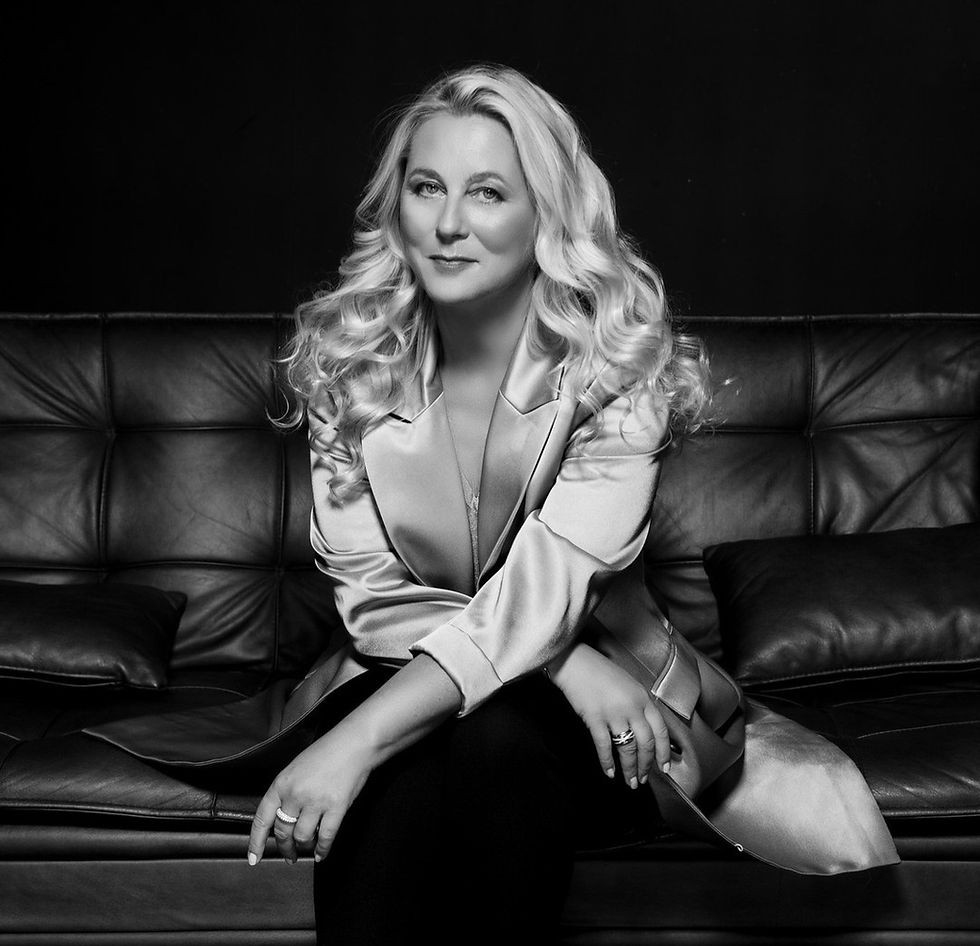
Myself, as Artistic Director, bring formal academic study in Art alongside extensive background in psychology, intimacy, and human behavioral dynamics. My understanding of emotional nuance informs composition as deeply as light and line. I approach the nude not as surface, but as narrative instrument.
Together, our work is not exhibition; it is intention supported by structure.
Integrity as Alignment
A photographer who aspires to artistic seriousness demonstrates commitment not through proclamation, but through consistency: coherent bodies of work, ongoing education, transparent contracts, structured environments, and psychological literacy.
Integrity is the alignment between conviction and action.
To photograph the nude is to accept responsibility for creating an image that may circulate, endure, and outlast immediate context. It calls for foresight. It calls for artistic restraint in how things are presented. It calls for care.
In a cultural moment where so much blurring of the lines has caused harm to too many, we as artists cannot look away. We must take both our art and what is at stake seriously.
At a time when visibility is immediate and the nude form is sometimes loosely defined, articulating these distinctions is not elitism ...it is preservation. It is care.
The artistic nude is not defined by nudity...
It is defined by education, maturity, structure, ethical distance, and reverence for the human form as living philosophy.
The difference is not aesthetic; it is foundational.
And foundations, though often invisible, are what allow Art to stand.


Comments